




- By Admin
- 16 May, 2024
- 0 Comments
Advancements in veterinary diagnostic equipment have transformed how veterinarians diagnose and treat pets. From CBCT scanners to advanced imaging, modern technology leads to faster, more accurate diagnoses and better health outcomes.
Veterinary medicine has evolved dramatically over the past decade. Modern diagnostic tools allow veterinarians to see inside an animal's body with unprecedented clarity, leading to earlier detection and more effective treatment plans.
CBCT technology provides detailed 3D images with lower radiation exposure than traditional CT scans. This is particularly beneficial for dental and orthopedic assessments in pets, allowing for precise treatment planning.
Digital X-rays produce instant, high-resolution images that can be enhanced and shared electronically. This means faster diagnoses and less time your pet spends under sedation or in uncomfortable positions.
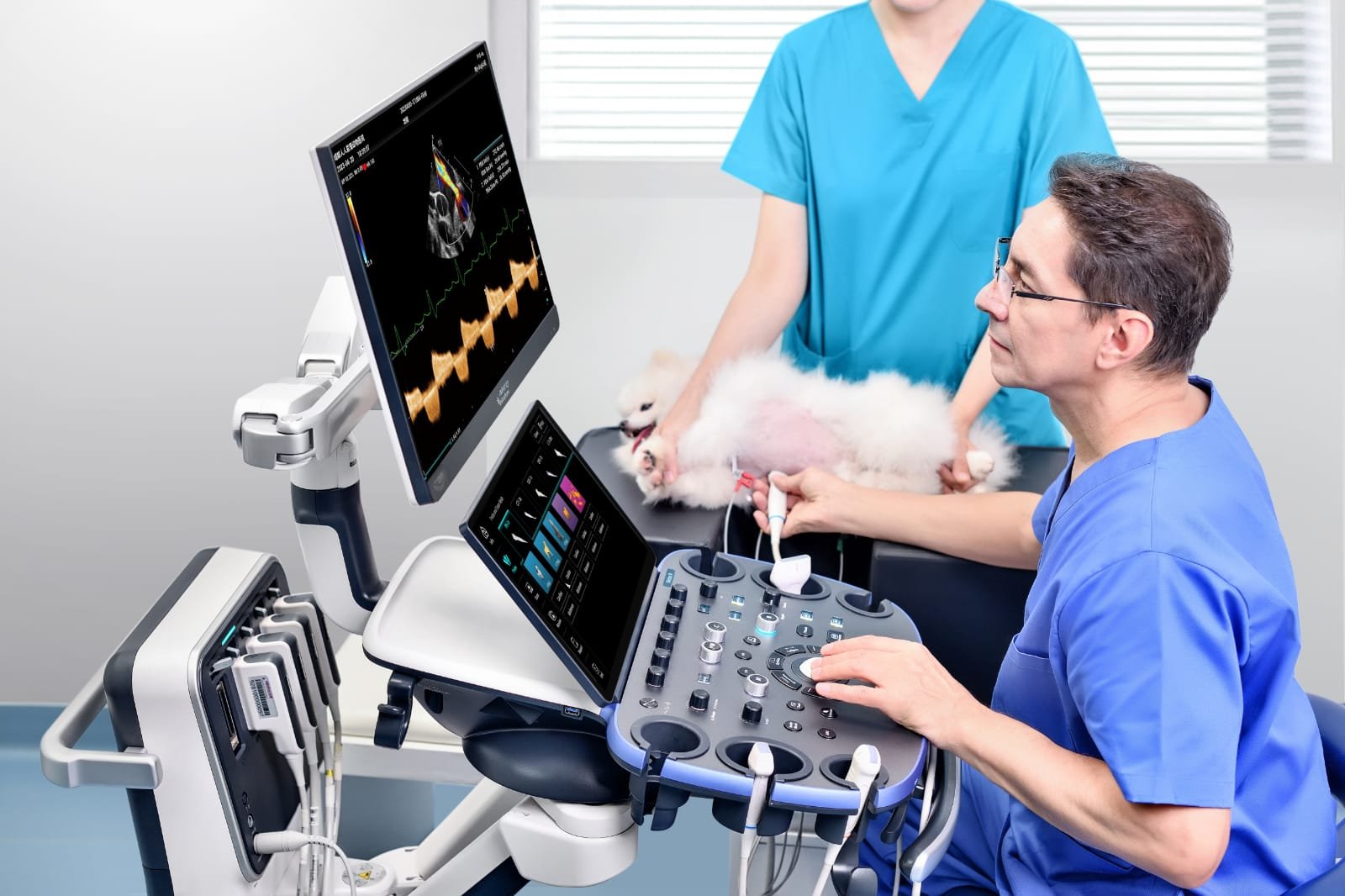
Modern veterinary ultrasound machines offer Doppler capabilities and 3D imaging, providing detailed views of blood flow and organ function that weren't possible with older equipment.
Rapid lab testing equipment allows veterinarians to get blood work and pathology results within minutes rather than days, enabling immediate treatment decisions in critical situations.
Advanced imaging catches diseases at earlier stages when treatment is most effective. Conditions that might have gone undetected until advanced stages can now be identified early.
Higher resolution imaging and faster lab results mean veterinarians can make more confident diagnoses, reducing the need for exploratory surgery or repeated testing.
3D imaging and detailed scans allow veterinarians to plan surgeries and treatments with precision, reducing complications and improving recovery times.
Faster scanning times and less invasive procedures mean less stress and discomfort for pets during diagnostic procedures.