





- By Admin
- 09 May, 2024
- 0 Comments
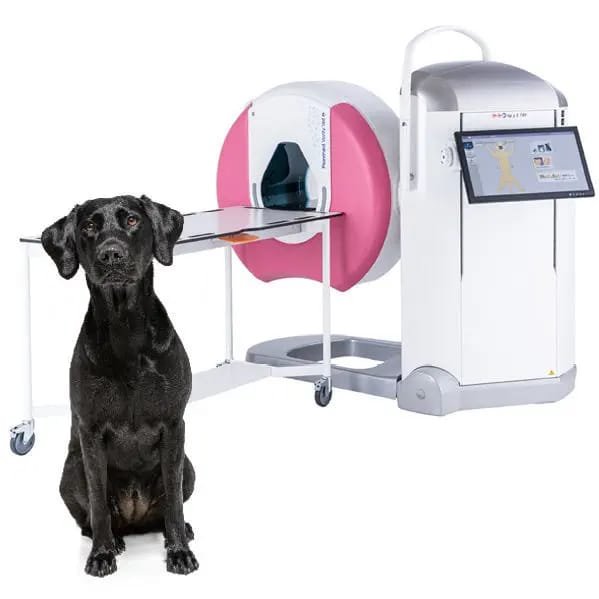
In recent years, veterinary care has undergone several advancements, especially in diagnostic technology. One of the most groundbreaking innovations is Cone Beam Computed Tomography (CBCT). While CT scans have been used for human medical imaging for years, CBCT has now found its way into veterinary practices, providing more precise and efficient diagnoses for pets.
Cone Beam Computed Tomography (CBCT) is a specialized form of CT scan that generates 3D images of an object's internal structures using a cone-shaped X-ray beam. CBCT produces highly detailed images with lower radiation exposure than traditional CT scans, making it an ideal choice for diagnosing pet health issues.
One of the standout features of CBCT is its ability to create incredibly detailed 3D images. These images allow veterinarians to view the pet's anatomy from multiple angles, enabling them to make more accurate diagnoses.
Unlike traditional CT scans, CBCT scans use a much lower dose. This is a crucial factor when it comes to animals, especially those that may need repeated scans over their lifetime.
CBCT scans are faster than traditional CT scans, which means that pets experience less stress during the process.
CBCT is highly versatile and can be used for a range of diagnostic purposes. From detecting dental issues like periodontal disease and fractured teeth to identifying bone tumors.
With the detailed 3D images provided by CBCT, veterinarians can plan surgeries or other treatments with much more precision.
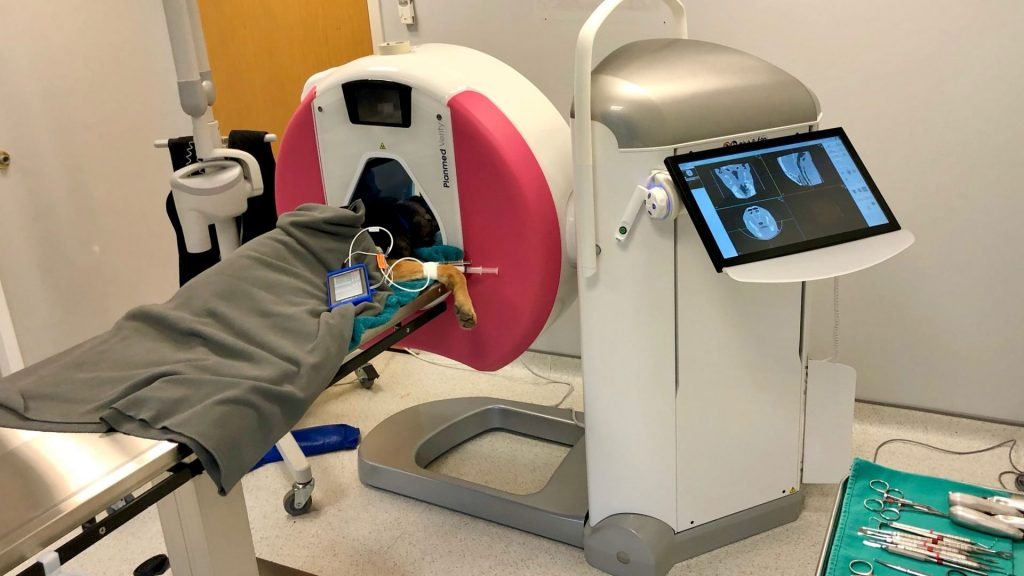
CBCT provides detailed images of the teeth, jawbones, and surrounding structures, helping diagnose conditions like fractured teeth, abscesses, and periodontal disease.
CBCT allows examination of bones and joints in 3D, which is especially useful for diagnosing complex fractures, joint degeneration, or arthritis.
With CBCT, we can identify tumors or abnormal growths that may not be visible with traditional imaging methods.
When surgery is required, having a 3D image of the affected area allows for better planning and fewer complications.