




- By Admin
- 09 May, 2024
- 0 Comments
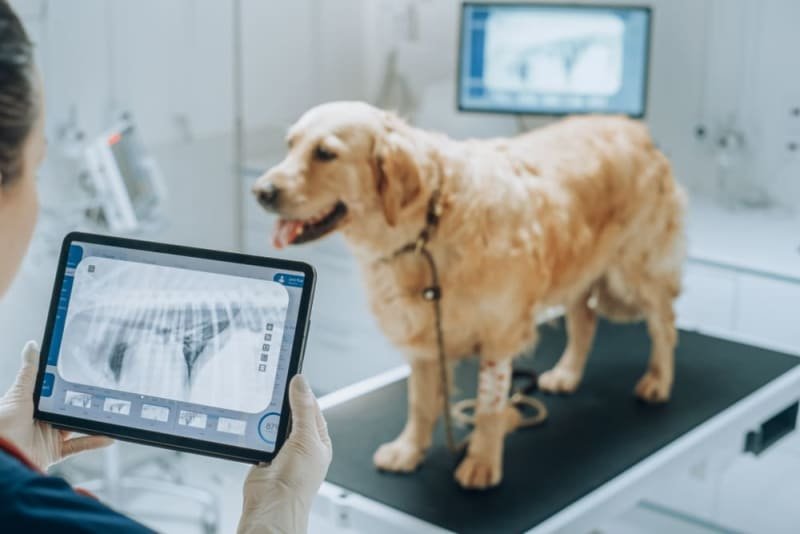
Just like humans, pets can suffer from complex medical conditions that require precise imaging for an accurate Diagnostics. Imaging technologies like X-rays and CT scans are invaluable tools in a veterinarian's diagnostic toolkit.
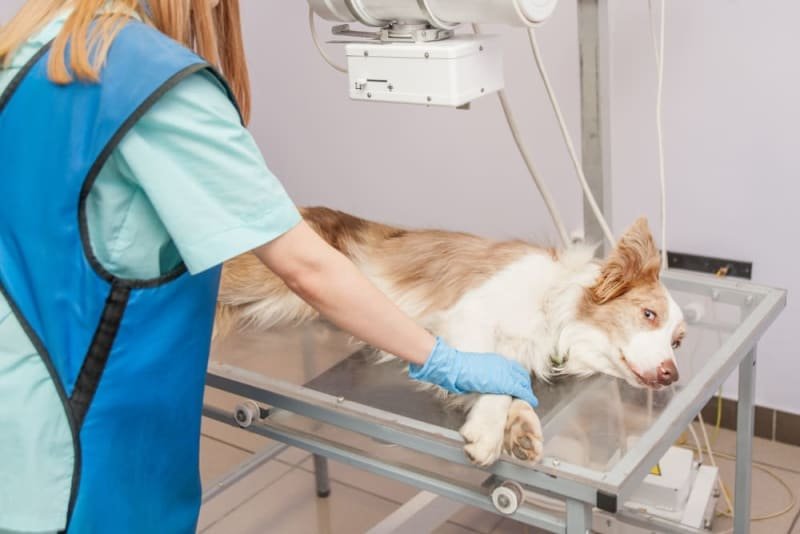
X-rays have long been one of the most effective imaging methods used in veterinary medicine. They use radiation to produce images of the inside of your pet's body, helping veterinarians assess bones, organs, and soft tissues.
One of the most common uses of X-rays in veterinary care is to diagnose fractures or other bone abnormalities. X-rays allow veterinarians to see the extent of a fracture and determine the best course of treatment.
Dental problems are prevalent in pets. Dental X-rays help veterinarians diagnose conditions like tooth decay, root infections, and periodontal disease.
X-rays can also detect internal issues like lung disease, tumors, and enlarged organs.
While X-rays are excellent for visualizing bones and joints, CT scans offer even more detailed images, especially for soft tissues.
CT scans can provide a detailed view of soft tissues, such as muscles, organs, and blood vessels. This is crucial for diagnosing conditions like tumors, internal bleeding, and certain types of infections.
CT scans are especially helpful for diagnosing conditions affecting the head and neck, such as sinus infections, dental abscesses, and ear canal problems.
For pets suffering from tumors, CT scans can offer a comprehensive view of the mass and its relationship to surrounding tissues.
At Fredna Vet Diagnostic Centre, we are proud to offer both X-ray and CT scan diagnostics, ensuring that your pet receives the best care possible.