





- By Admin
- 12 May, 2024
- 0 Comments
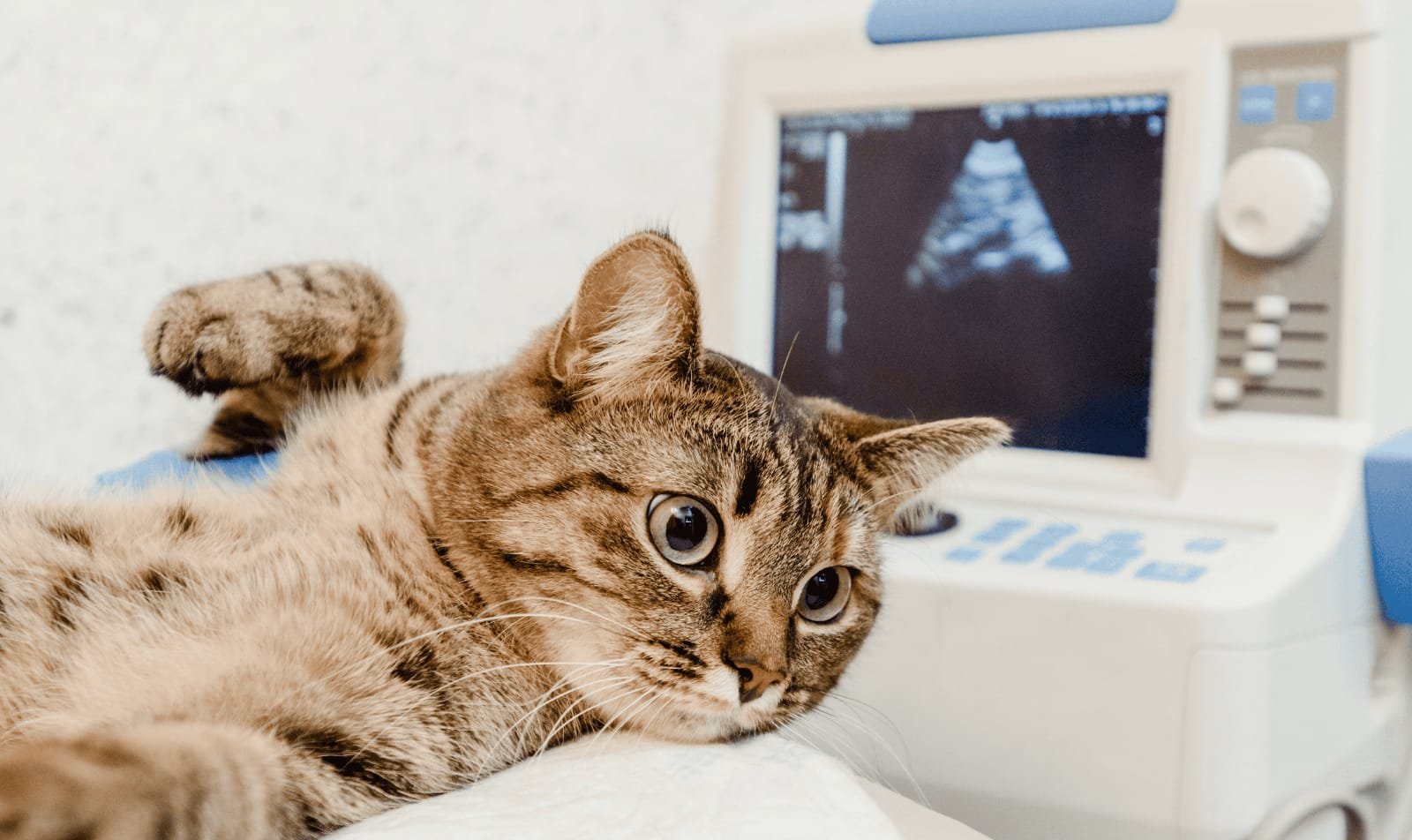
Pet ultrasound is one of the most valuable diagnostic tools in veterinary medicine. It allows veterinarians to see inside your pet's body in real-time, helping detect health issues before they become serious.
An ultrasound uses high-frequency sound waves to create images of the organs and structures inside your pet's body. Unlike X-rays, which are better for bones, ultrasounds are ideal for examining soft tissues like the heart, liver, kidneys, and bladder.
Many pet health conditions develop silently. By the time symptoms appear, the condition may have progressed significantly. Ultrasound helps catch these issues early, when treatment is most effective and least invasive.
Echocardiography (heart ultrasound) can detect heart murmurs, valve disease, and heart muscle abnormalities in dogs and cats. Early detection allows for medication and lifestyle changes that can significantly extend your pet's life.
Ultrasound can identify tumors, cysts, and signs of kidney or liver disease before blood tests show abnormalities. This gives veterinarians a head start in managing chronic conditions.
Bladder stones, infections, and tumors can be quickly identified with ultrasound. This is especially important for pets that strain to urinate or have blood in their urine.
For breeding pets, ultrasound confirms pregnancy as early as 25 days and helps monitor the health of both the mother and developing puppies or kittens.
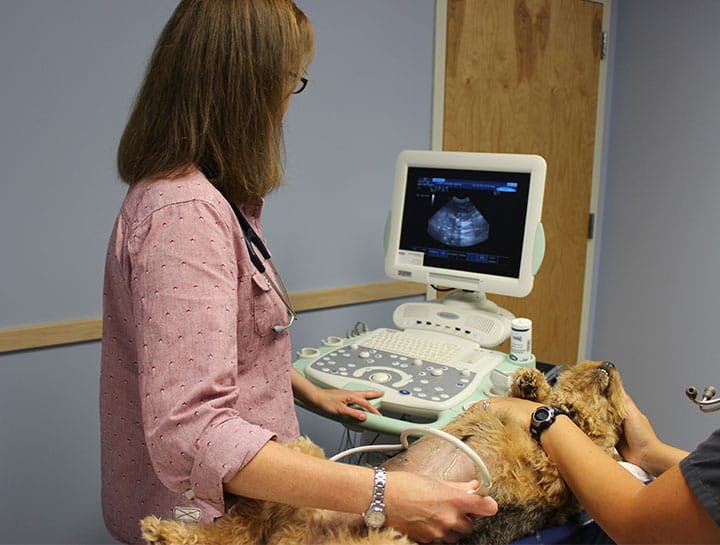
Pets over 7 years old should have regular ultrasounds as part of their wellness exams. Age-related conditions like tumors and organ changes are more common in senior pets.
If blood tests reveal elevated liver or kidney values, an ultrasound helps identify the underlying cause and guides treatment planning.
Vomiting, weight loss, lethargy, or changes in appetite can all be investigated with ultrasound to find the root cause quickly.