





- By Admin
- 14 May, 2024
- 0 Comments
A pet pathology lab plays a critical role in veterinary diagnostics. From blood work to tissue analysis, these labs provide the data veterinarians need to diagnose and treat your pet's health conditions accurately.
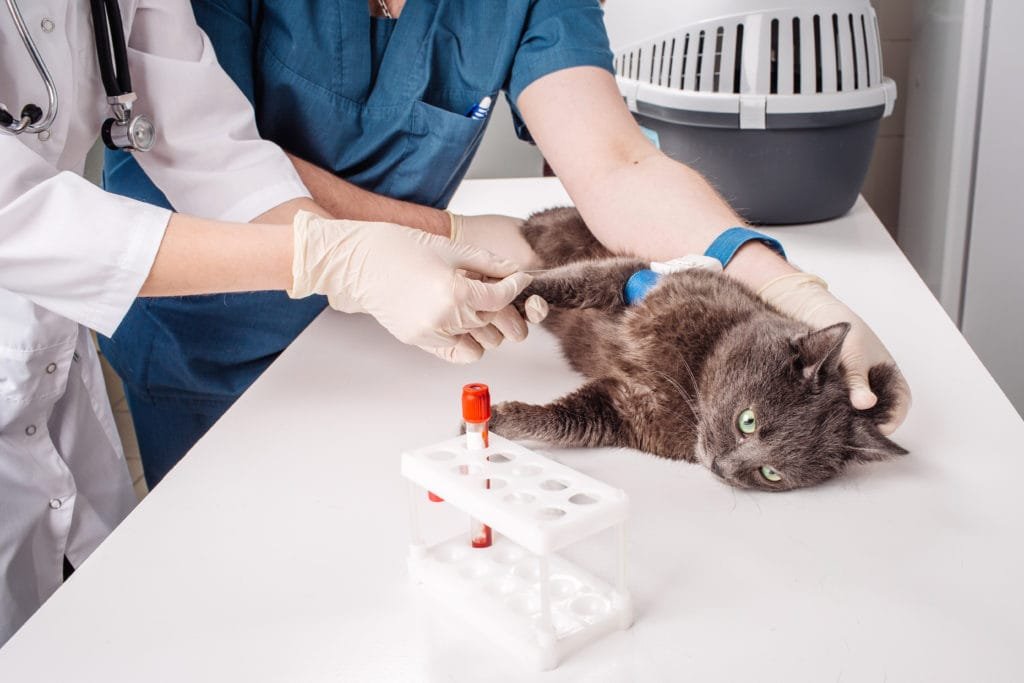
Pathology labs analyze samples from your pet — blood, urine, tissue, and other fluids — to detect diseases, infections, and abnormalities. The results guide your veterinarian in making informed treatment decisions.
Complete blood counts and chemistry panels help identify infections, anemia, organ dysfunction, and metabolic disorders. Regular blood work is essential for monitoring chronic conditions and overall health.
Testing urine samples helps detect kidney disease, urinary tract infections, diabetes, and bladder stones. Urinalysis is a simple yet powerful diagnostic tool.
When a mass or tumor is removed, histopathology examines the tissue under a microscope to determine whether it's benign or malignant, helping plan further treatment.
Cytology analyzes individual cells from fine needle aspirates, skin scrapings, or fluid samples. It's a quick, minimally invasive way to evaluate lumps, bumps, and skin conditions.
Accurate lab results are the foundation of effective veterinary care. They help veterinarians:
Lab tests can reveal health issues before symptoms become apparent, allowing for early intervention and better outcomes for your pet.
For pets on medication or treatment plans, regular lab work tracks progress and ensures the treatment is working without causing adverse effects.
Routine pathology testing during wellness exams helps identify risk factors and catch problems before they develop into serious conditions.